What Is Acne? Causes, Types, and Effective Care Approaches
Acne is a common skin condition that develops in areas where sebaceous glands are concentrated. Although it is most frequently seen during adolescence, it can also occur in adulthood due to hormonal fluctuations, stress, and environmental factors. Acne is not only a cosmetic concern; it can also negatively impact self-confidence and overall quality of life.
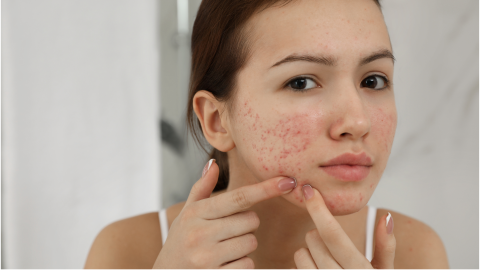
Acne is an inflammatory skin disorder that develops as a result of increased sebum (oil) production, clogged pores caused by dead skin cells, and bacterial proliferation. When pores become blocked, blackheads and whiteheads form. If these become inflamed, pimples, papules, and cystic lesions may develop.
Acne most commonly appears on the face, back, chest, and shoulders where sebaceous glands are highly active.
What Causes Acne?
Multiple factors may contribute to acne formation.
Hormonal Changes
Puberty, menstrual cycles, pregnancy, and certain hormonal disorders can increase sebum production and trigger breakouts.Excess Sebum Production
Increased oil production makes pores more prone to clogging.Pore Blockage
Dead skin cells and makeup residues can accumulate inside pores, leading to blackheads and whiteheads.Bacterial Growth
The proliferation of Cutibacterium acnes within clogged pores triggers inflammation.Improper Skincare
Products that are not suitable for the skin type, especially heavy or comedogenic formulations, may worsen acne.Stress and Diet
Stress hormones may stimulate oil production. High-glycemic-index foods may also contribute to acne development.
Types of Acne
Acne can vary in severity and appearance.
Blackheads (Open Comedones): Pores remain open and appear dark due to oxidation.
Whiteheads (Closed Comedones): Pores are closed, appearing as small white bumps under the skin.
Papules: Small, red, inflamed bumps without visible pus.
Pustules: Inflamed lesions with a yellow or white center.
Nodules and Cystic Acne: Deep, painful lesions with a higher risk of scarring.
How Is Acne Treated?
Acne treatment should be personalized according to skin type and severity. The goal is not only to clear existing lesions but also to prevent new breakouts while maintaining the integrity of the skin barrier.
Key Ingredients in Effective Acne Care
Salicylic Acid: Helps unclog pores and reduce blackhead formation.
Niacinamide: Balances sebum production and soothes redness.
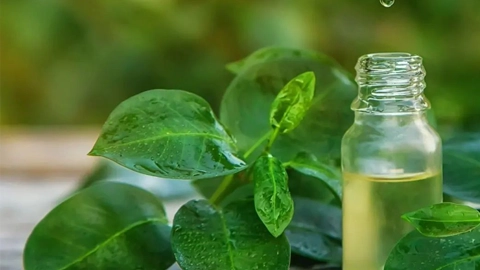
Tea Tree Oil: Provides antibacterial and purifying benefits.
Hyaluronic Acid: Maintains hydration without drying the skin.
Antioxidants: Support skin renewal and protect against environmental stressors.
In moderate to severe or treatment-resistant cases, consultation with a dermatologist is essential.
Proper Skincare Routine for Acne-Prone Skin
Cleanse the skin gently morning and evening.
Avoid harsh exfoliants and alcohol-based products.
Use a non-comedogenic moisturizer daily.
Do not skip sunscreen.
Avoid squeezing or traumatizing lesions.
Why Do Acne Scars Form?
Acne scars typically develop when deep, inflamed lesions are squeezed or improperly treated. Early and appropriate intervention significantly reduces the risk of scarring. Acne is a manageable skin condition when addressed with accurate knowledge and consistent care. Using products suitable for your skin type, understanding ingredient functions, and maintaining a regular routine are key to achieving a healthier, more balanced complexion.